SOMATIC & ATTACHMENT-BASED
Your body kept the score
long after you stopped talking
Start with a free 20-minute consultation.
Thank you!
We'll be in touch soon.
At Bridge for Families in Kanata, Ottawa, Katherine Parker works with individuals and families using emotion-focused, solution-focused, attachment-based, and somatic approaches. Somatic work tunes into the signals your nervous system has been sending (the tight chest, the clenched jaw, the sleep that won't settle) while attachment-based work traces why certain relationships keep activating the same response. With a background as a teacher, Katherine brings a calm, paced, consent-based presence that makes room for what talking alone hasn't resolved.
Thank you!
We'll be in touch soon.
At Bridge for Families in Kanata, Ottawa, Katherine Parker works with individuals and families using emotion-focused, solution-focused, attachment-based, and somatic approaches. It's a thoughtful, compassionate space to work through what talking alone hasn't resolved.
You're Not Alone in This
Therapy is a collaborative and relational process, and finding a space where you feel seen, understood, and supported matters. These are some of the things people bring to Katherine:
OUR APPROACH
Body-Aware, Relational, Paced to You
Katherine works with individuals and families using emotion and solution focused, attachment-based, and somatic approaches.
Somatic therapy means paying attention to what your body is signalling alongside what your mind is saying, because trauma and chronic stress often live in the nervous system long after the mind has moved on. Attachment-based work looks at how early relationships shape present patterns so you can respond differently.
The work is gentle, collaborative, and goes at your pace, always consent-based.
What that looks like:
- Somatic awareness: noticing what the body is holding, gently
- Attachment-based therapy: understanding relational patterns and their roots
- Emotion-focused therapy: making room for feelings that have been stuck
- Solution-focused therapy: building on what's already working
MEET YOUR THERAPIST
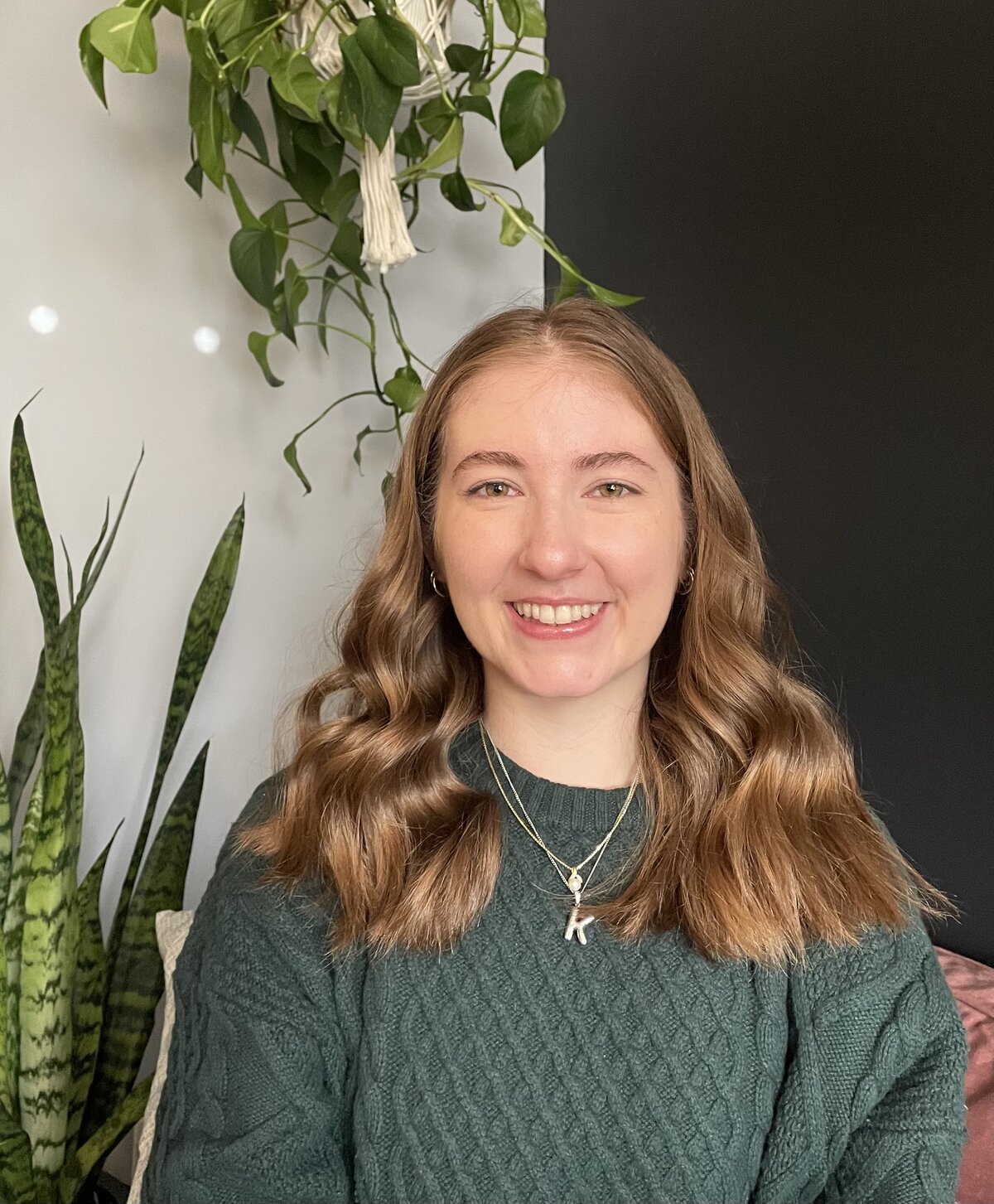
Katherine Parker, RP (Qualifying)
For Katherine, therapy is a collaborative and relational process. Finding a space where you feel seen, understood, and supported is so important. That's where she starts.
Katherine brings experience from working as a teacher, where she supports youth in learning, expression, and growth. This has informed a thoughtful, compassionate, and supportive approach to counselling, particularly with younger clients and families.
She holds a Bachelor of Arts in Psychology from Carleton University and a Bachelor of Education from the University of Ottawa, and is completing her Master of Arts in Counselling Psychology from Yorkville University.
Katherine specializes in:
- Somatic therapy
- Attachment-based therapy
- Emotion-focused therapy
- Solution-focused therapy
- Family & individual therapy
- Youth & adolescent support
Common Questions
Frequently Asked Questions
What is somatic therapy?
Somatic therapy is a body-aware approach to mental health. Alongside talking, it pays attention to what you're noticing in your body (tension, breath, posture, sensation) because trauma and chronic stress often live in the nervous system long after the mind has moved on. The work is gentle and always goes at your pace.
Do I have to do body-based exercises?
No. Katherine integrates somatic awareness alongside talk therapy, emotion-focused, and solution-focused approaches. What that actually looks like is tailored to you: some sessions might notice bodily sensation briefly, others are entirely conversation.
Do you work with families and young people?
Yes. Katherine works with individuals and families. Her teaching background gives her real experience supporting youth in learning, expression, and emotional growth, and she brings a thoughtful, compassionate approach to working with younger clients and their families.
What is attachment-based therapy?
Attachment-based therapy looks at how early relationships shaped your patterns of connection and emotional regulation today. It's not about blaming the past. It's about understanding why certain situations feel so activating, and building new relational experiences in the therapy room that can extend outward.
Is therapy covered by insurance?
Most extended healthcare plans cover therapy with a Registered Psychotherapist (Qualifying), including Blue Cross, Canada Life, Manulife, Sun Life, and Veterans Affairs (VAC). Check your plan for “Registered Psychotherapist” coverage. We provide receipts for reimbursement.
How is somatic therapy different from regular talk therapy?
Talk therapy works mostly through language and insight. Somatic therapy adds another channel. It treats the body as a source of information, not just the mind. Katherine might invite you to notice where a feeling lives physically, or how your breath changes as you describe something hard. For people who can explain their problem clearly but still feel stuck in it, that body-level awareness is often where the shift finally happens.
Why does Katherine combine somatic work with attachment-based therapy?
Because the patterns your nervous system runs were usually learned in your earliest relationships. Attachment-based therapy maps where those patterns came from, and somatic work helps you feel (and slowly change) how they show up in your body now. Pairing the two means you're not only understanding why a partner, parent, or friend keeps triggering the same reaction, but actually building a different, calmer response from the inside out.
Does Katherine see teens and younger clients?
Yes. Before training as a psychotherapist, Katherine worked as a teacher, so supporting young people through learning, expression, and emotional growth is familiar ground for her. She sees youth and adolescents individually and works with families together, using a gentle, paced approach that meets a young person where they are rather than rushing them. Families often start with a free 20-minute consultation to talk through fit.
Youth Therapy
Katherine also works with teens on anxiety and family concerns, bringing the same somatic-aware care to young people.
Family Therapy
Our broader family therapy page, for families working through change, conflict, or connection.
Meet the Full Team
See all of our therapists, their specialties, and who might be the right fit for you.
Take the First Step
A free 20-minute consultation is a low-stakes way to see if Katherine is the right fit.
Thank you!
We'll be in touch soon.