WALKING THROUGH LOSS
There's no timeline for
a loss this big.
You don't have to carry it alone.
The loss of a partner lands differently than the loss of a parent, and a sudden death asks for something other than a long goodbye. That's why, at Bridge for Families in Kanata, Ottawa, two therapists offer grief support, and you'll work one-on-one with whichever one fits. Both Teanna Jeffrey and Phil Trepiak work with all types of loss. If you're not sure who fits, a free consultation with either can help you decide.
The loss of a partner lands differently than the loss of a parent, and a sudden death asks for something other than a long goodbye. At Bridge for Families in Kanata, Ottawa, two therapists offer grief support, and you'll see whichever one fits. Both Teanna and Phil work with all types of loss.

What People Bring to Grief Therapy
Grief shows up differently for everyone. Some of the things people bring to our therapists:
"Grief doesn't follow stages. With the right support, you can carry it differently, and live alongside it."
Meet Our Grief Therapy Team
Two grief therapists. Choose the focus that fits.
Both Teanna and Phil support individuals navigating grief and loss, each bringing a distinct therapeutic lens and area of expertise. Whether your loss is expected, sudden, or intertwined with trauma, our team can help connect you with the therapist whose approach best aligns with your needs.
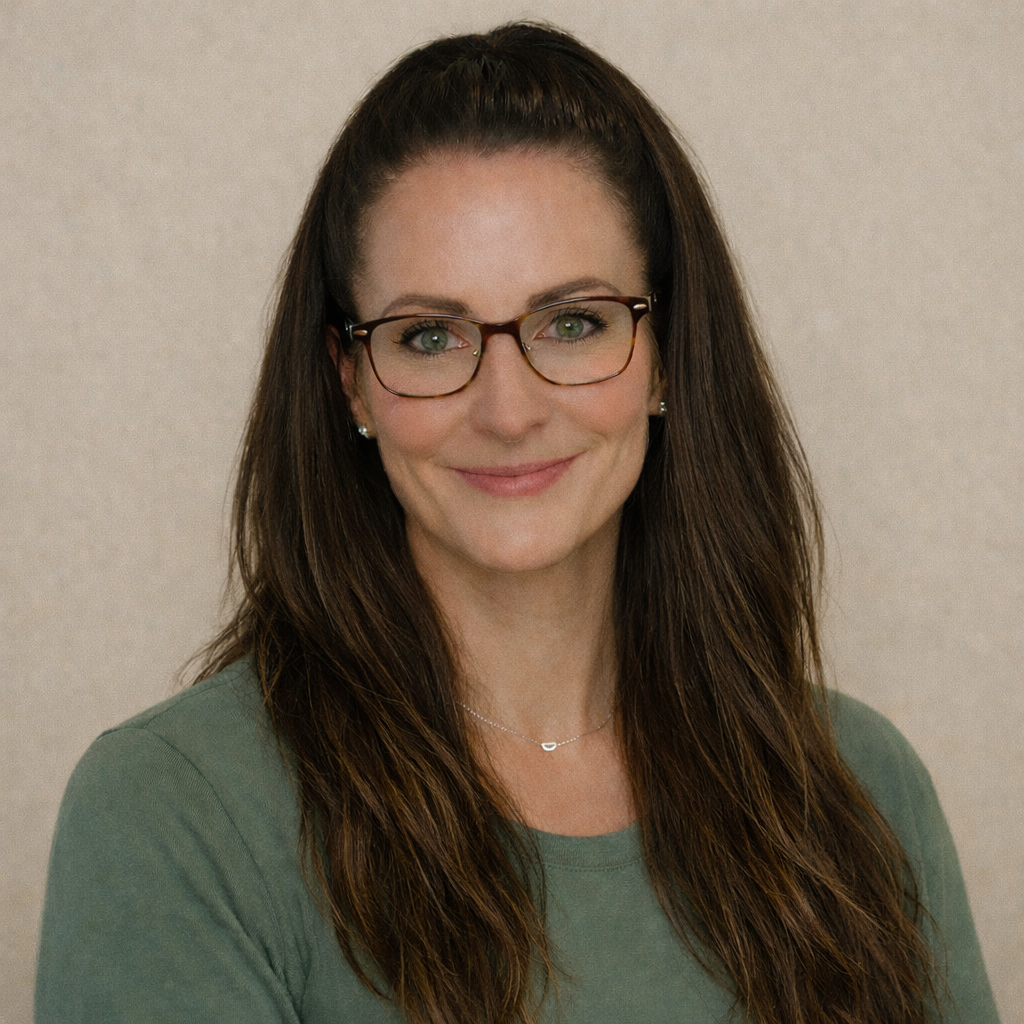
Teanna Jeffrey
Registered Psychotherapist (Qualifying), CRPO #22168
Trauma-informed support for grief, trauma and PTSD, and life transitions.
Teanna works from a trauma-informed, person-centered approach and has experience supporting individuals impacted by trauma and PTSD, as well as grief related to life transitions, the loss of a parent, widowhood, and significant life changes.
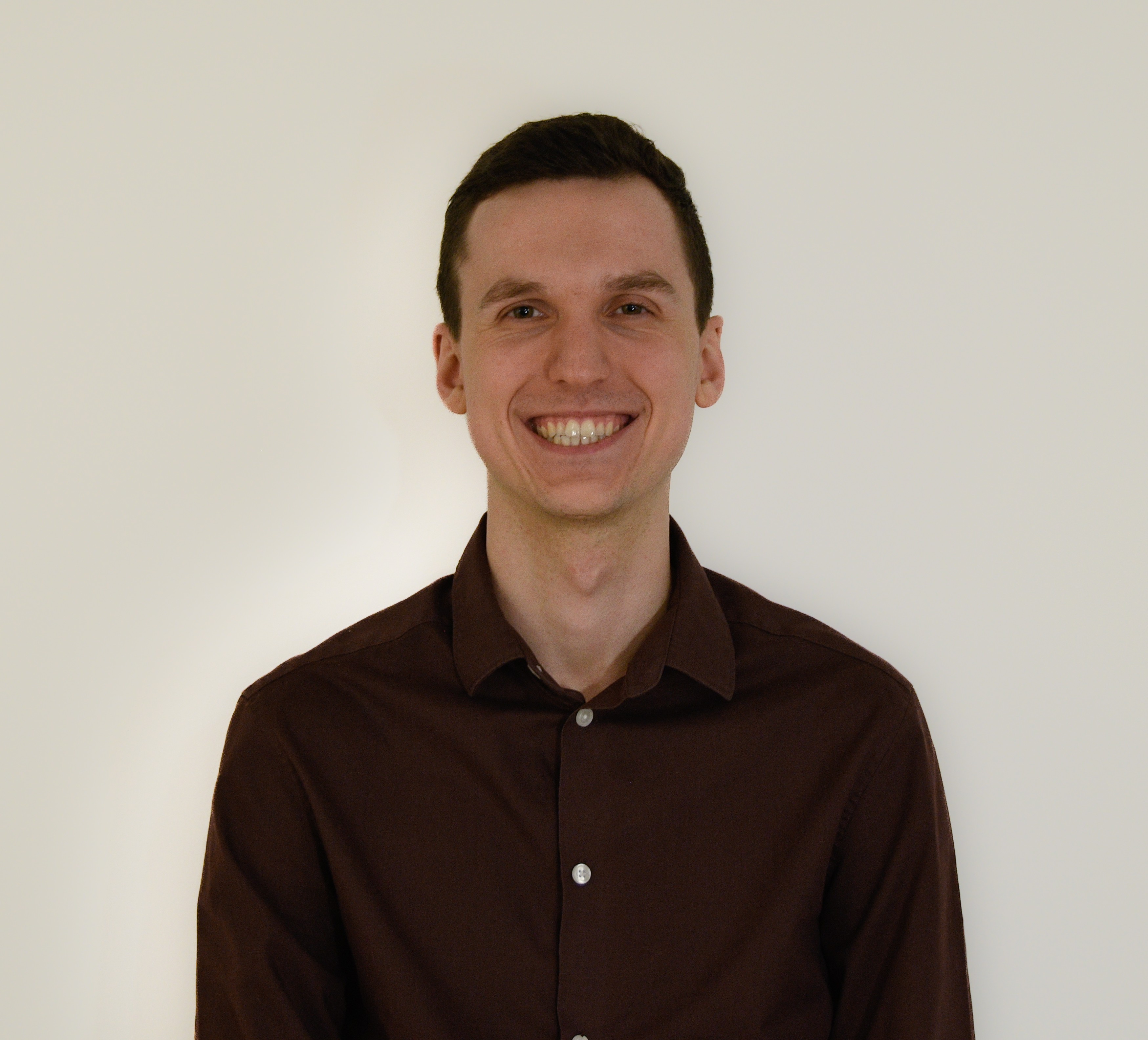
Phil Trepiak
Registered Psychotherapist (Qualifying), CRPO #20806
Evidence-based therapy for traumatic loss, complicated grief, and grief tangled with trauma.
Phil works from a Cognitive Processing Therapy (CPT) and Narrative Therapy framework, with a focus on sudden, traumatic, and complicated grief. He helps clients make sense of their experiences, process loss, and move forward with greater clarity and meaning.
Not sure which therapist fits? Both Teanna and Phil offer a free 20-minute consultation, a low-stakes way to talk things through before you commit. Use the buttons above to pick whichever feels right.
Meet Our Grief TherapistsOUR APPROACH
Grief Care Tailored to Your Loss
Grief is not one thing, and neither is grief therapy. The losses people carry, and the way those losses sit in the body and the mind, vary enormously. So does the kind of support that helps.
For everyday bereavement (partner, parent, sibling, friend), practical, person-centered support helps you put words to what you're carrying and find a way to live alongside it.
For traumatic or complicated loss (sudden death, suicide loss, grief that won't lift after a year or more), evidence-based approaches like CPT (Cognitive Processing Therapy) and Narrative Therapy give you structured tools for working through the parts of the loss that feel impossible to move past.
What that looks like:
- Person-centered and unhurried: your loss, your pace
- CPT (Cognitive Processing Therapy): structured support for traumatic loss
- Narrative Therapy: making sense of the story of your loss
- Trauma-informed: you stay in control of what you revisit and when
Common Questions
Frequently Asked Questions
How does grief therapy work?
Grief therapy gives you a private, supportive space to put words to what you're carrying, without anyone trying to fix it or move you along. At Bridge for Families, two therapists offer grief support and you work one-on-one with one of them. Both Teanna Jeffrey and Phil Trepiak work with all types of loss; where they differ is focus: Teanna with grief and life transitions (for men and women), Phil with sudden, traumatic, and complicated loss. They don't co-treat, so you simply choose the focus that fits your situation.
When should I get help with grief?
There's no "right time." Some people reach out in the first weeks after a loss; others come months or years later when the grief surprises them again. If grief is interfering with sleep, work, relationships, or your sense of yourself, or if you're carrying loss alone and that aloneness is the hardest part, therapy can help.
How long does grief therapy take?
It varies. Some people find meaningful relief in 6-10 sessions of focused work; others stay longer because grief shifts and circles back. If you'd like to talk through your situation first, both Teanna and Phil offer a free 20-minute consultation. Either way, there's no commitment to a long course of therapy.
Is there a "wrong" way to grieve?
No. Grief doesn't follow neat stages, and it doesn't have a deadline. You may feel numb, furious, relieved, exhausted, or all of those in a single day. Our therapists are trained to sit with grief as it actually is (not as the books describe it) and to help you make sense of your own experience without judgement.
Is grief therapy covered by insurance?
Most extended healthcare plans in Ontario cover therapy with a Registered Psychotherapist (Qualifying), including Blue Cross, Canada Life, Manulife, Sun Life, and Veterans Affairs (VAC). Check your plan for "Registered Psychotherapist" coverage. We provide detailed receipts for reimbursement.
Which of your therapists is right for my situation?
Both work with all types of loss, so you can't really pick wrong. Teanna works with men and women through grief that comes with life transitions: widowhood, the loss of a parent, the reshaping of a life after loss. Phil works with sudden or traumatic loss (suicide, accidents, complicated or prolonged grief, anniversary grief that won't ease). You'll see one of them one-on-one; if you're not sure which, a free 20-minute consultation with either can help you decide, and we can always refer between us once we know more.
What's the difference between normal grief and complicated grief?
Most grief is painful but slowly becomes more bearable: the waves still come, but they space out and you find your footing again. Complicated or prolonged grief is when, a year or more on, the loss still feels as raw as week one: you may be stuck replaying the death, avoiding reminders, or unable to picture a life that moves forward. It isn't a sign you're grieving wrong; it often means the loss was traumatic or layered with other things. Phil uses Cognitive Processing Therapy specifically for this kind of stuck grief, and we'd rather you reach out early than wait it out alone.
Can therapy help with grief after a suicide or sudden death?
Yes. Loss by suicide, overdose, accident, or any sudden death carries its own weight: the shock, the unanswered questions, the guilt and what-ifs that loop at 3 a.m. Phil works specifically with traumatic and complicated loss, using Cognitive Processing Therapy and Narrative Therapy to help you separate what actually happened from the blame the mind tends to attach to it. The goal isn't to explain the loss away, but to help you carry it without it consuming everything else.
I lost my person years ago, is it too late to come in?
Not at all. Grief doesn't expire, and a lot of people reach out long after the funeral, when an anniversary, a wedding, a smell, or a song reopens something they thought was settled. Older grief that resurfaces is one of the most common reasons people come to us. Whatever the timeline, you don't need a fresh loss to deserve support. If it's still sitting with you, that's reason enough.
Do you offer grief therapy in person in Kanata, or online?
Both. Bridge for Families is based in Kanata in Ottawa's west end, and you're welcome to come in person. We also offer secure video sessions across Ontario, which many people prefer in early grief when leaving the house feels like too much. You can mix the two (start online and come in later, or the reverse), whatever makes showing up easier on a hard week.
Anxiety & Depression Therapy
Phil's page for anxiety, low mood, and the heaviness that can follow a loss.
Psychotherapy in Ottawa
Our full psychotherapy team. Find the right therapist for what you're carrying.
Women's Therapy
Teanna's home page: person-centered, trauma-informed care for women.
Trauma & Young Adults
Phil's home page: trauma-informed therapy, CPT, and young-adult care.
A First Step Doesn't Have to Be a Big One
A free 20-minute consultation is often the easiest place to start.